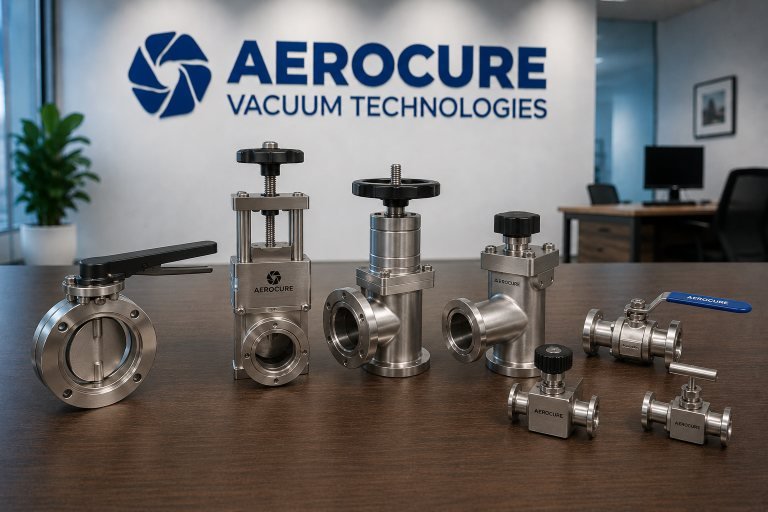
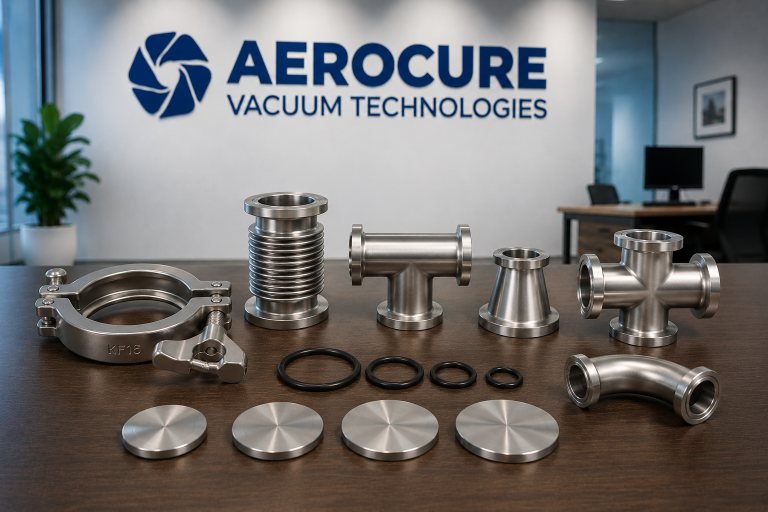
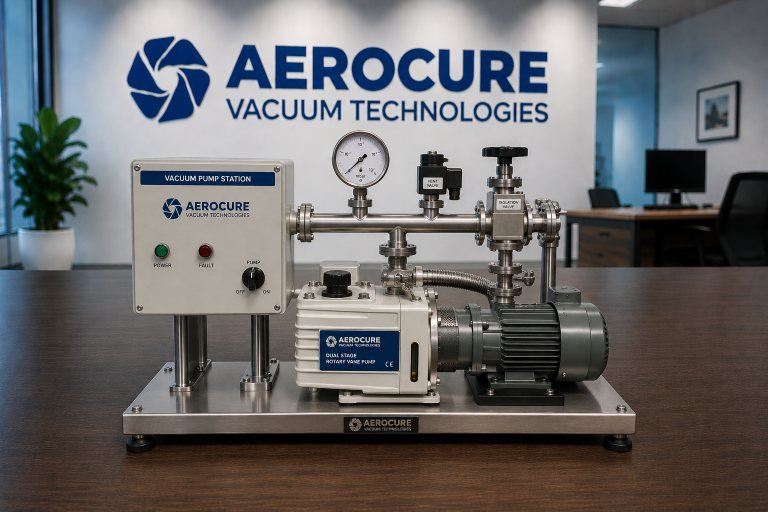
Required function
Identify isolation, venting, roughing, bypass, protection, dosing or throttling and describe the intended sequence.

Vacuum Flow-Control Application Guide
A vacuum valve is selected for a function within a connected system—not by flange size alone. Pressure, gas load, conductance, actuation and sealing requirements matter.
APPLICATION OVERVIEW
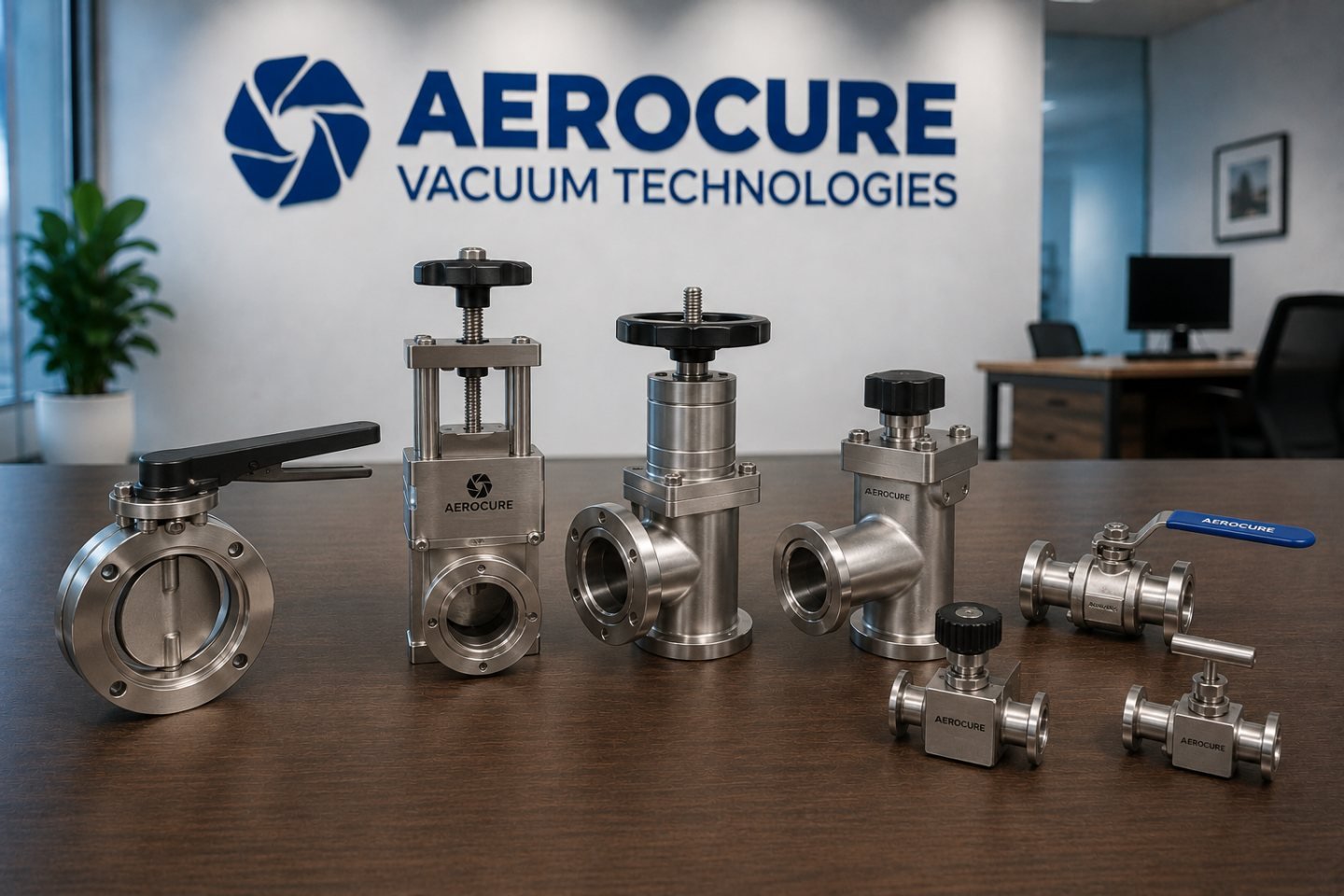
Vacuum systems use valves to isolate equipment, sequence pump-down, vent a volume, protect pumps or instruments, and control or restrict gas flow. Each function places different demands on geometry, conductance, sealing, actuation and control behaviour.
Selection should consider the pressures on both sides, flow direction, gas or vapour, contamination, temperature, required position, fail behaviour, cycle pattern, available space, flange standard and the way the valve interacts with the wider system.
TECHNICAL INPUTS
The available detail helps separate a plausible route from one that can be checked against the actual application.
Identify isolation, venting, roughing, bypass, protection, dosing or throttling and describe the intended sequence.
State pressure on each side, differential direction, gas or vapour, temperature, contamination and expected flow.
Provide flange standard, nominal size, available envelope, adjacent tubing and any conductance or pump-down constraint.
Define manual or powered operation, supply, position indication, interlocks, fail position and cycle frequency.
PRACTICAL DECISION PATH
Each step narrows the options without assuming that one instrument, component or service method fits every system.
TYPICAL REQUIREMENTS
These examples frame an initial discussion. Exact equipment and method suitability remain subject to technical review.
TECHNICAL BOUNDARY
A matching flange does not prove that a valve is suitable. Pressure differential, gas compatibility, temperature, sealing, conductance, actuation, orientation, cycle duty and safe-system behaviour must be checked against the selected valve documentation.
APPLICATION QUESTIONS
The suitable type depends on the required function, pressure and differential, gas, conductance, seal, connection, orientation, actuation, controls and cycle duty. Share the system arrangement before selecting a category.
Only when the valve design and control arrangement are intended for the required regulating duty. An isolation valve should not be assumed to provide stable or repeatable flow control.
Provide the flange standard and size, mating hardware, tube diameter, orientation, available space, adjacent components and any requirement for adapters, bellows or supporting components.
APPLICATION REVIEW
Send the operating range, media, connections, equipment details, constraints and the outcome you need. Aerocure can then review an appropriate next route.