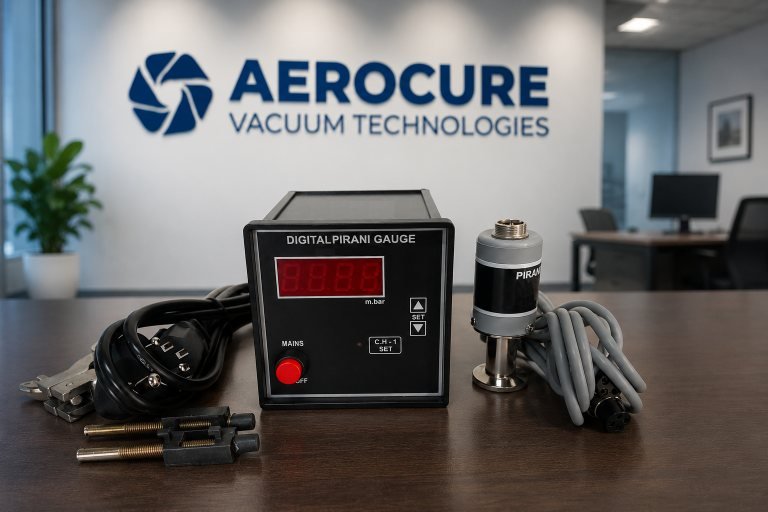
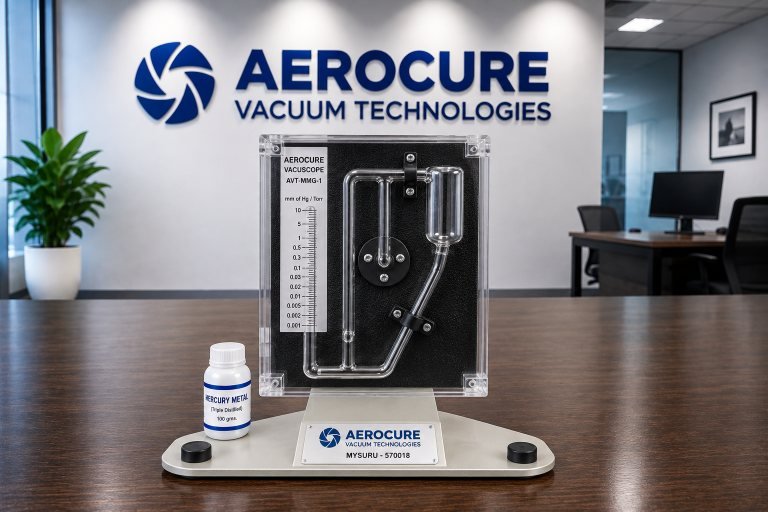
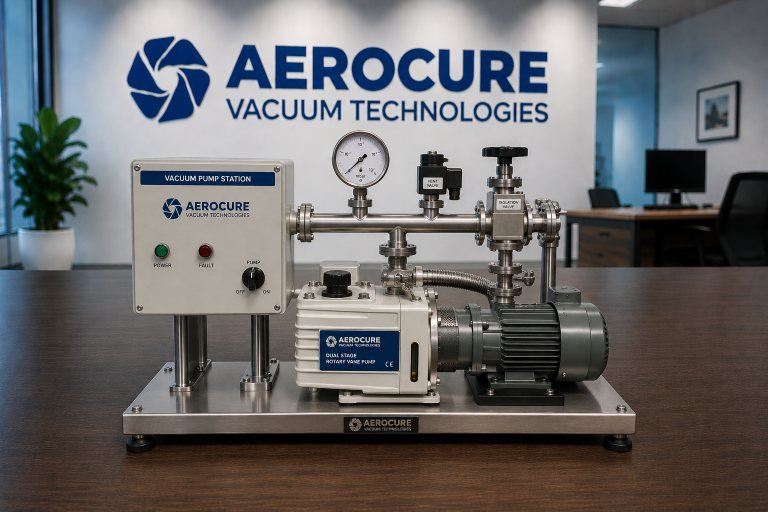
Pressure range
Define the normal operating region, expected endpoints and any transition between rough, medium and higher vacuum measurement.

Vacuum Measurement Instruments
Select a vacuum measurement instrument around the pressure range, process gas, connection, output and operating environment—not from a model number alone.
PRODUCT OVERVIEW
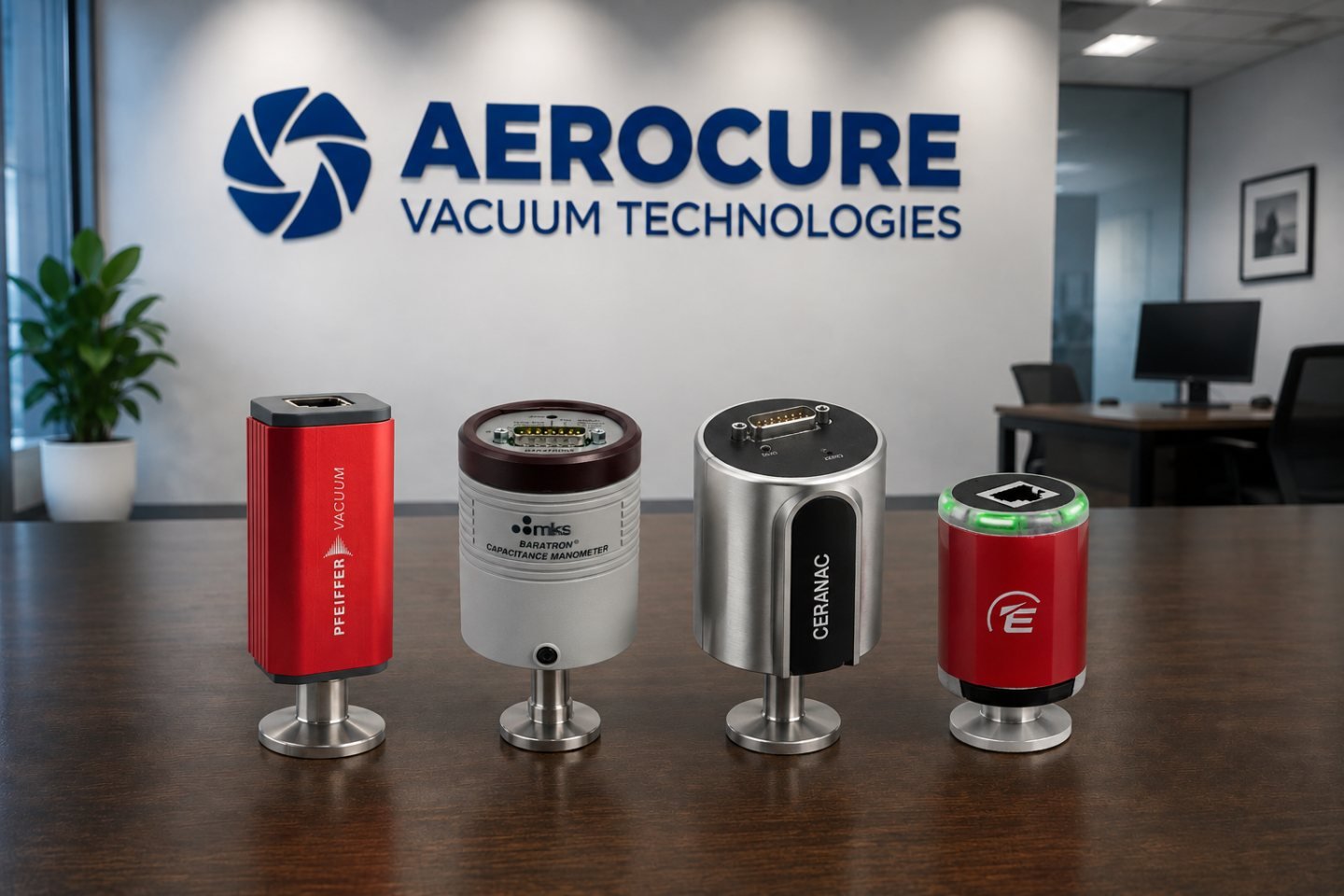
Vacuum gauges help operators understand whether a chamber, line or process is at the pressure required for operation. Because no single sensing principle is ideal for every pressure region and gas, a practical measurement arrangement may use one instrument or a combination of gauge heads and controllers.
A sound selection starts with the working pressure range and then considers gas composition, contamination risk, mounting position, process temperature and the required display or control signal. Sharing these conditions helps narrow the appropriate measurement principle without relying on unsupported assumptions about the application.
TECHNICAL SELECTION
Final suitability depends on the application and the selected product's approved technical documentation.
Define the normal operating region, expected endpoints and any transition between rough, medium and higher vacuum measurement.
Identify the process gas, vapours, dust, oil mist and cleaning conditions because they can affect indication and sensor life.
Confirm the connection standard, nominal size, installation orientation and available space at the measurement point.
State whether the application needs a local display, analogue signal, digital communication, relay setpoints or controller compatibility.
APPLICATION FIT
These examples guide the initial discussion; technical fit is confirmed from the actual process and operating conditions.
TECHNICAL NOTE
Gauge indication can depend on gas species, mounting, contamination and the sensing principle. Treat controller compatibility, calibration needs and process exposure as part of the selection—not as afterthoughts.
BUYER QUESTIONS
The answer depends on the complete working range, gas, process cleanliness and required output. Share the normal operating pressure and the highest and lowest pressures the instrument must observe so the sensing principle can be reviewed.
Some configurations cover a broad range, while others combine two sensing principles or separate gauge heads. The practical choice depends on the required accuracy, gas conditions, controls and maintenance expectations.
Many thermal and ionisation-based gauges are gas dependent. Gas composition and any vapour or contamination should therefore be disclosed before selecting or interpreting a gauge.
APPLICATION REVIEW
Share the operating range, process media, duty, connection and control requirements available to you. Aerocure will review the request before confirming a suitable next step.
TECHNICAL ENQUIRY
Share the equipment identity, operating conditions, connection details and required result. Include what is known so the next step can be reviewed.
Call +91 74119 78886