Working pressure range
State normal, start-up and limiting pressures with units, including whether one range or several process stages must be observed.

Vacuum Measurement Application Guide
A useful vacuum reading starts with the required pressure range and process conditions, then matches the sensing principle, installation and signal requirements.
APPLICATION OVERVIEW
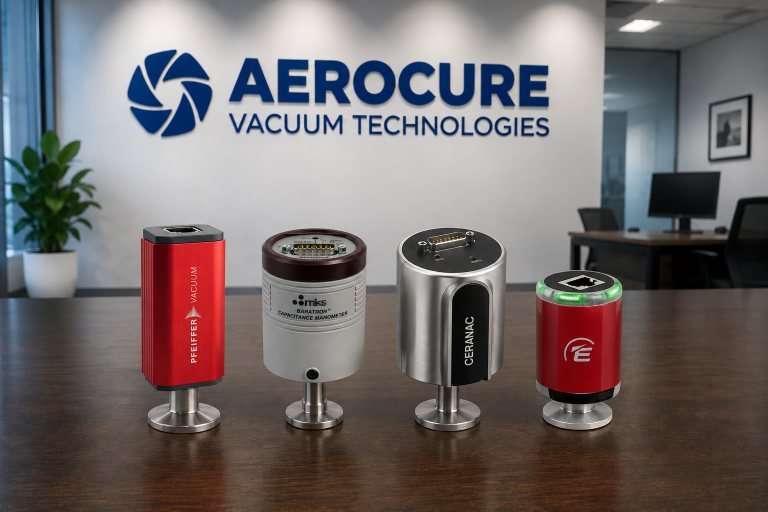
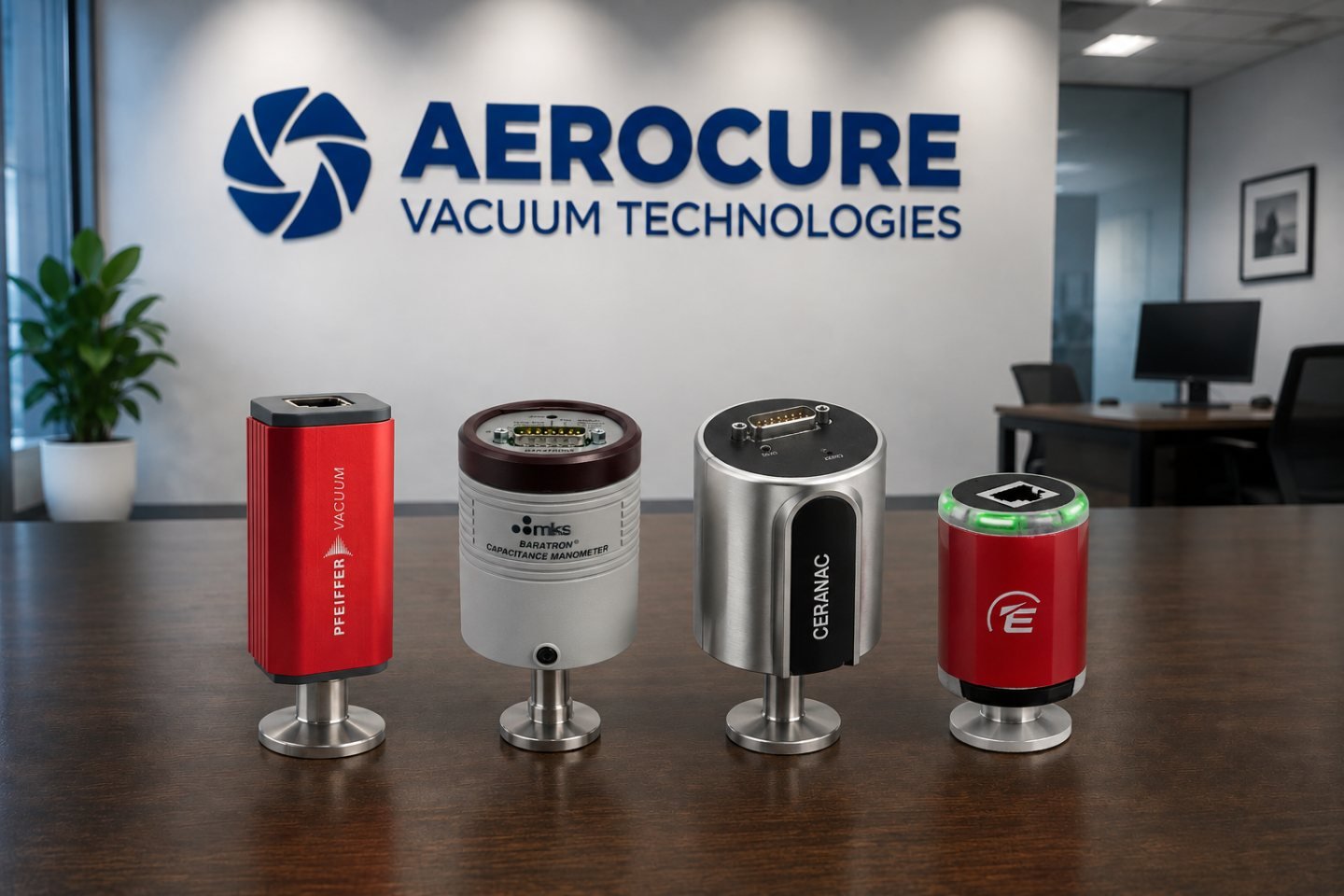
Vacuum pressure is not measured by one universal instrument. Direct and indirect gauge principles respond differently across pressure ranges, gases and process environments, so the selection should begin with the pressure region and how the reading will be used.
Installation also affects the result. Port position, connection length, contamination, temperature, orientation, controller compatibility and required outputs should be reviewed before a gauge or measurement chain is proposed.
TECHNICAL INPUTS
The available detail helps separate a plausible route from one that can be checked against the actual application.
State normal, start-up and limiting pressures with units, including whether one range or several process stages must be observed.
Identify gases, vapours, dust, oil, moisture, temperature and cleaning conditions that may affect the sensing method or installation.
Explain whether the reading supports indication, pump-down observation, alarms, interlocks, control or a defined process decision.
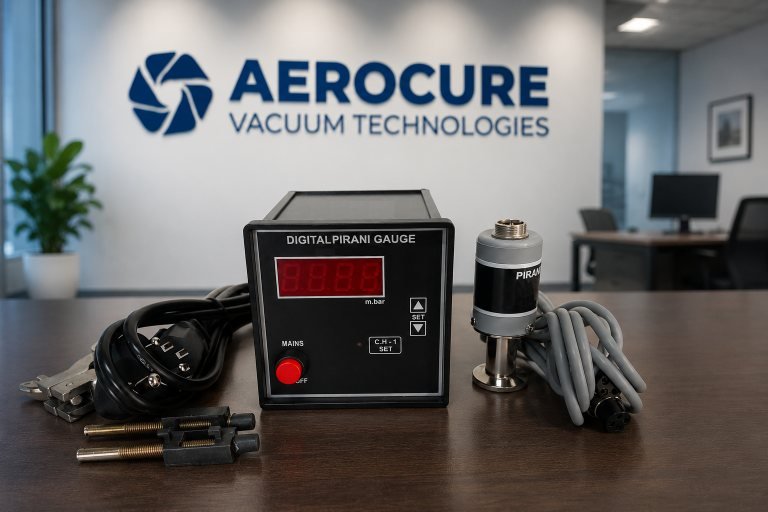
Share port type, size, orientation, cable distance, supply, display, analogue output, relay or digital-interface requirements.
PRACTICAL DECISION PATH
Each step narrows the options without assuming that one instrument, component or service method fits every system.
TYPICAL REQUIREMENTS
These examples frame an initial discussion. Exact equipment and method suitability remain subject to technical review.
TECHNICAL BOUNDARY
A gauge range alone does not establish suitability or measurement quality. Gas dependence, installation, process contamination, controller pairing and the required decision must be reviewed against the selected instrument documentation.
APPLICATION QUESTIONS
The choice depends on the pressure range, gas, process exposure, required accuracy or repeatability, response, installation and output needs. Share those details so the suitable principles can be reviewed.
Sometimes a combination or full-range arrangement is considered, but this cannot be assumed. The complete pressure envelope and process conditions must be checked against the approved range and limitations of each sensor.
Some gauge principles infer pressure from a gas property and can be gas dependent. Port position, conductance, outgassing, contamination and temperature can also make the local reading differ from the condition elsewhere in the system.
APPLICATION REVIEW
Send the operating range, media, connections, equipment details, constraints and the outcome you need. Aerocure can then review an appropriate next route.