Test object and condition
Share materials, dimensions, internal volume, joints, seals, ports, cleanliness, current condition and photographs or drawings.

Leak-Detection Application Guide
Locating a leak and measuring total leakage are different objectives. The pressure direction, test-object limits, access and acceptance criterion guide the test method.
APPLICATION OVERVIEW
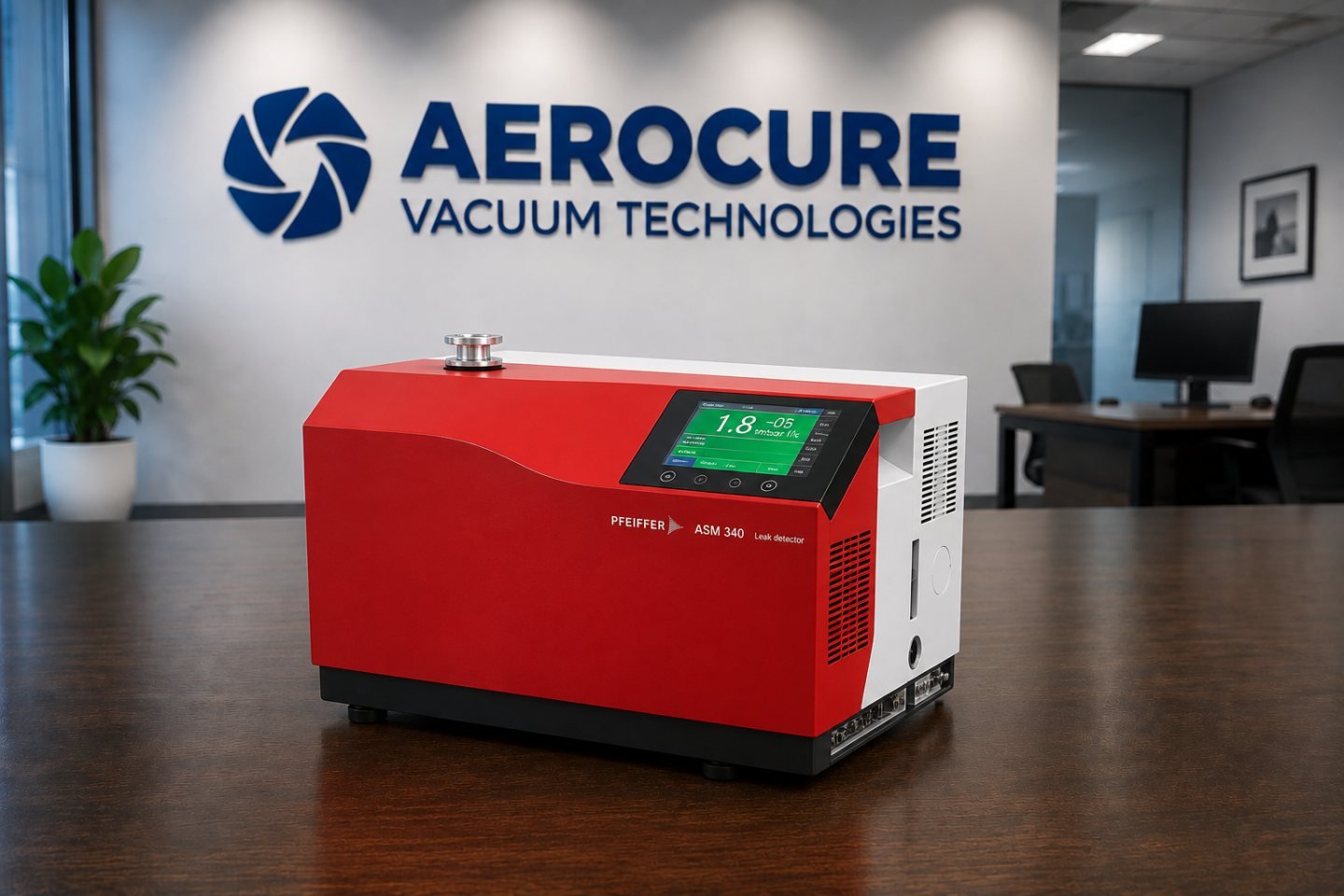
Leak detection may be used to find a local leakage point, evaluate overall leakage or investigate poor vacuum performance. A useful plan distinguishes the required result before equipment, tracer handling, fixtures or test sequence are selected.
The normal pressure direction matters because the test should represent the relevant boundary where practical. Test-object strength, internal volume, cleanliness, available ports, accessible joints, background gas and the stated acceptance basis also affect feasibility.
TECHNICAL INPUTS
The available detail helps separate a plausible route from one that can be checked against the actual application.
Share materials, dimensions, internal volume, joints, seals, ports, cleanliness, current condition and photographs or drawings.
State normal internal and external pressures, allowable evacuation or overpressure and any prohibited test condition.
Clarify whether the task is to locate a leak, measure overall leakage, verify a limit or investigate a system symptom.
Provide the required leak rate and units if defined, test standard or procedure, accessible surfaces, fixtures and reporting needs.
PRACTICAL DECISION PATH
Each step narrows the options without assuming that one instrument, component or service method fits every system.
TYPICAL REQUIREMENTS
These examples frame an initial discussion. Exact equipment and method suitability remain subject to technical review.
TECHNICAL BOUNDARY
A detector sensitivity figure does not define the achievable result for every object. Method, test pressure, background, volume, conductance, cleanliness, tracer concentration and acceptance procedure must be reviewed for the specific requirement.
APPLICATION QUESTIONS
Local testing is used to identify where tracer gas crosses a boundary. Integral testing evaluates the combined leakage of the test object under a defined arrangement. The preparation, fixtures and interpretation can therefore differ.
The choice depends on the normal pressure direction, object strength, required result, sensitivity, access and available connections. A method is proposed only after those details are reviewed.
Provide drawings or photographs, dimensions, volume, materials, joints, normal pressures, safe limits, available ports, suspected areas, process exposure, acceptance criterion and required report.
APPLICATION REVIEW
Send the operating range, media, connections, equipment details, constraints and the outcome you need. Aerocure can then review an appropriate next route.