
The guides explain selection and planning principles. Use the current datasheet and manual for the exact model to confirm its range, materials, connection, interface and operating limits.

Featured Vacuum Technology Resources
Start with practical guidance for common product-selection and service-planning questions.
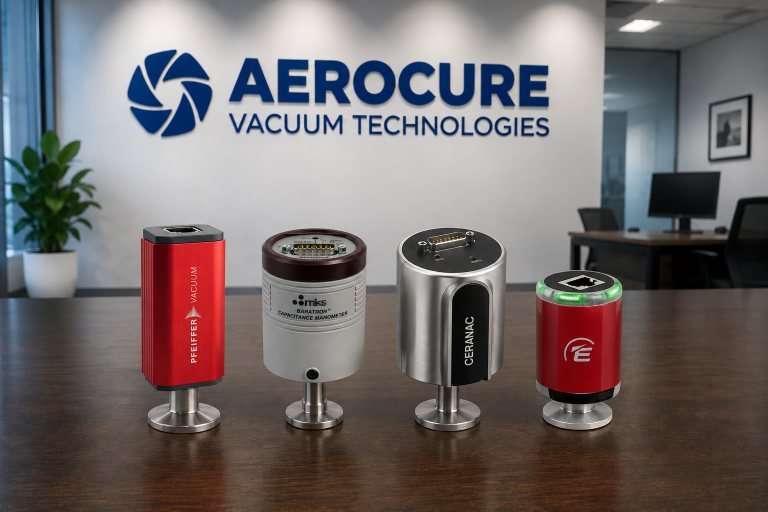
SELECTION GUIDE
Vacuum Gauge Selection Guide
Review pressure range, process gas, measurement performance, connection and controller requirements before choosing a vacuum gauge.
Read the Selection Guide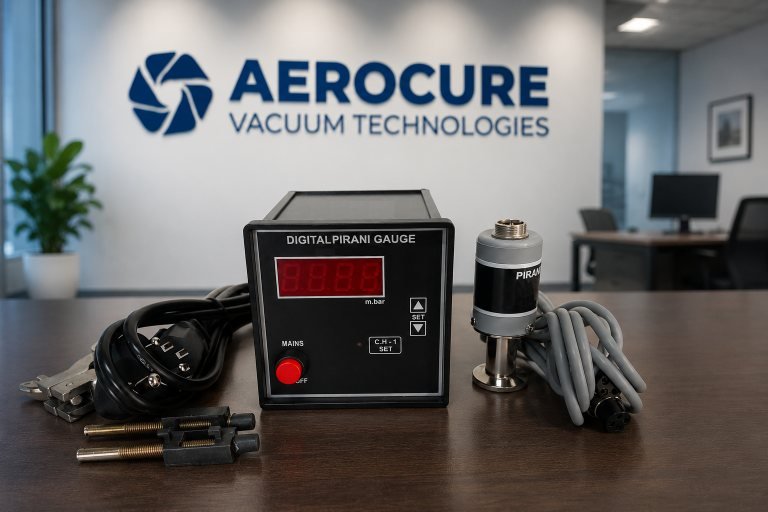
TECHNICAL ARTICLE
How a Pirani Gauge Works
Understand how thermal conductivity is used for vacuum measurement and which factors affect the indication.
Read the Article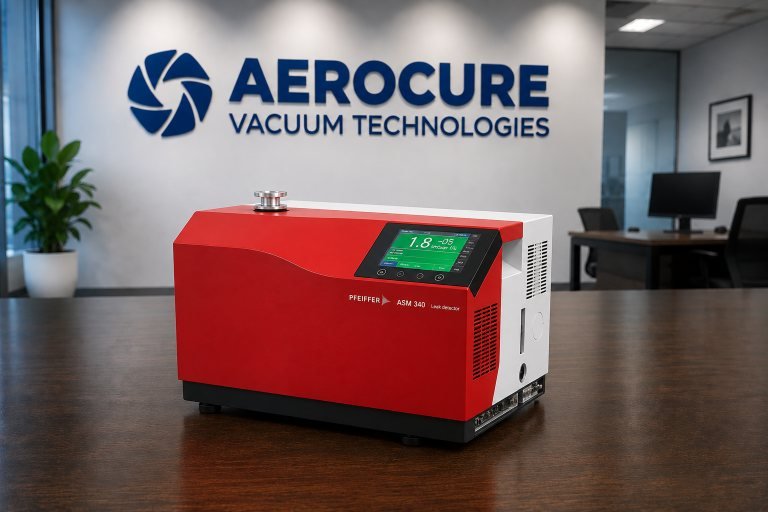
PREPARATION GUIDE
Preparing for Helium Leak Testing
Collect test-object, pressure, access, cleanliness and acceptance information before requesting a test.
Read the Preparation GuideBrowse Technical Resources
Filter resources by topic or start with the engineering question you need to solve.
Selection guide
Vacuum Gauge Selection Guide
Choose a vacuum gauge from the complete pressure envelope, gas and process conditions, required measurement quality, installation and control interface—not from one headline range alone.
Read the GuideTechnical article
How a Pirani Gauge Works
A Pirani gauge infers pressure from pressure-dependent heat transfer between a heated sensing element and the surrounding gas. It is an indirect, gas-dependent measurement.
Read the GuidePreparation guide
Preparing for Helium Leak Testing
A useful helium leak test starts before the detector is connected. Define the objective, test object, pressure direction, acceptance basis, safe limits and required record first.
Read the GuideMeasurement basics
Understanding Vacuum Pressure Ranges
A useful vacuum requirement states an absolute pressure with a unit. Labels such as rough, medium, high and ultra-high vacuum help describe a regime, but they do not replace the numbers needed to select equipment.
Read the Guide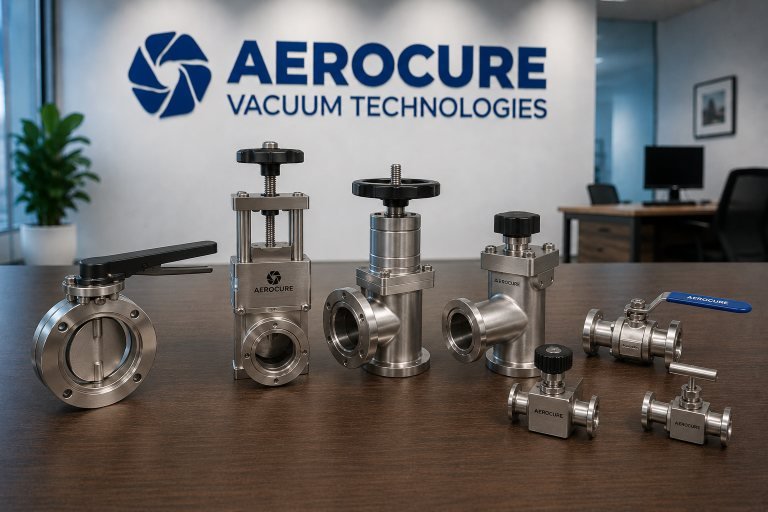
Product selection
Vacuum Valve Selection Factors
Choose a vacuum valve from its system function and the conditions on both sides. Connection size alone does not establish sealing performance, conductance, control behaviour or safe operation.
Read the Guide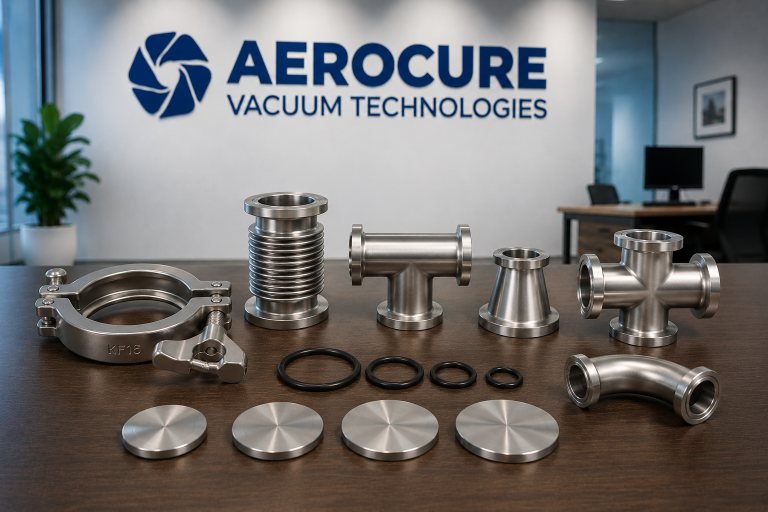
Component guide
KF, ISO and CF Vacuum Connections
KF, ISO and CF identify different vacuum connection arrangements. Select the whole joint—flanges, seal, clamp or bolts, materials and installation—not just a familiar nominal size.
Read the GuideService preparation
Preparing a Vacuum Gauge for Calibration
Prepare the complete gauge measurement chain, agree the pressure points and documentation, and disclose process exposure before sending equipment for calibration.
Read the GuideTroubleshooting
Investigating Unstable Vacuum Gauge Readings
A fluctuating vacuum reading can come from real process changes, measurement settings, installation, electrical issues or sensor condition. Record the behaviour before assigning a cause.
Read the GuideApplication note
Planning a Helium Leak Test
Plan a helium leak test around a defined boundary, engineering objective and acceptance basis. Detector capability is only one part of the complete test arrangement.
Read the GuideNo guides match this search. Try another term, view the complete library or ask a technical question.
Start with Your Engineering Question
Get Technical GuidanceFrom Technical Question to the Next Step
- 1
Define the Requirement
Tell us about your process, measurement range, testing requirement or service need.
- 2
Review the Relevant Guide
Explore resources that match your application and operating environment.
- 3
Collect Application Details
Gather equipment, connection, process and required-result information.
- 4
Discuss Compatibility or Scope
Share the details for review of a suitable product, service or next step.
Resource and Technical Guidance Questions
Yes. Share the product category and manufacturer/model if known, together with the application requirement. Aerocure can review the available information for the identified equipment.
No. A real application also needs the equipment, process, connections, safety limits and required result reviewed against the relevant documentation and agreed scope.
Use the technical-question form below, or contact Aerocure by phone or email. Include the equipment, operating range, process conditions and decision you need help making.
Need Guidance for a Specific Vacuum Application?
Share the equipment, operating range, process conditions and required outcome. Your question helps identify an appropriate product, service or information path.