Valve function
Define whether the valve must isolate, vent, throttle, protect a pump or support a specific sequence.

Vacuum Flow Control
Valve geometry, seal, actuation and conductance must suit the pressure range, medium, cycle duty and safety function of the vacuum system.
PRODUCT OVERVIEW
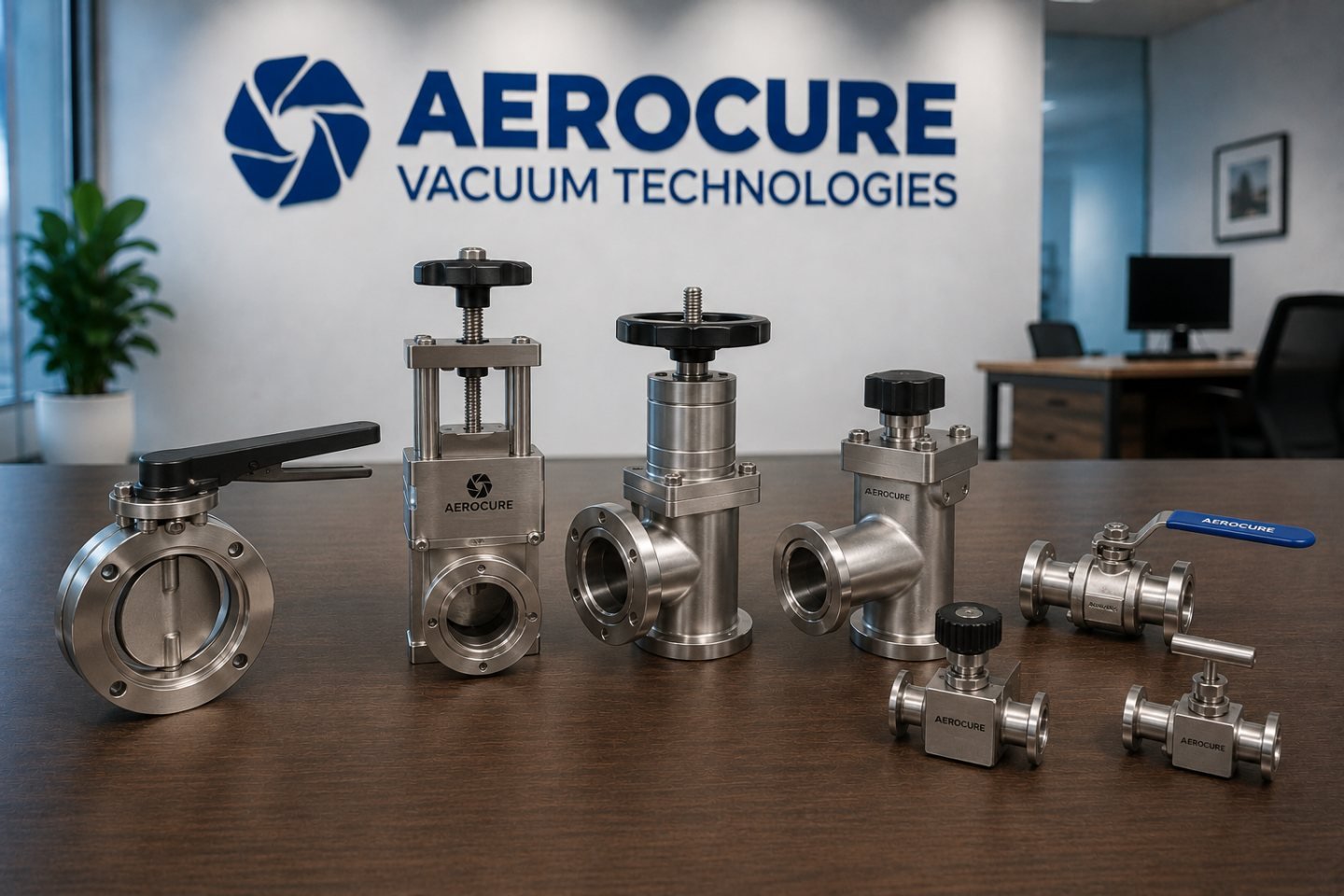
Vacuum valves open, isolate, vent or regulate parts of a system while preserving the required leak tightness. Common arrangements use different valve forms for main-line isolation, pump protection, venting and throttling, so the functional duty should be clear before a valve type is chosen.
Selection involves more than matching flange size. Internal conductance, seal material, pressure differential, actuation method, cycle frequency, temperature and process exposure all affect suitability. The required normal and fail position should also be considered as part of system operation.
TECHNICAL SELECTION
Final suitability depends on the application and the selected product's approved technical documentation.
Define whether the valve must isolate, vent, throttle, protect a pump or support a specific sequence.
State working pressure, pressure differential, flow direction and required effective conductance.
Identify process gas, temperature, cleanliness and chemical exposure so body and seal compatibility can be reviewed.
Confirm manual or powered actuation, available utilities, position indication, cycle rate and desired response on power loss.
APPLICATION FIT
These examples guide the initial discussion; technical fit is confirmed from the actual process and operating conditions.
TECHNICAL NOTE
A valve can influence pump-down time and system protection. Confirm its flow conductance, closing behaviour, allowable pressure differential and fail position within the complete operating sequence.
BUYER QUESTIONS
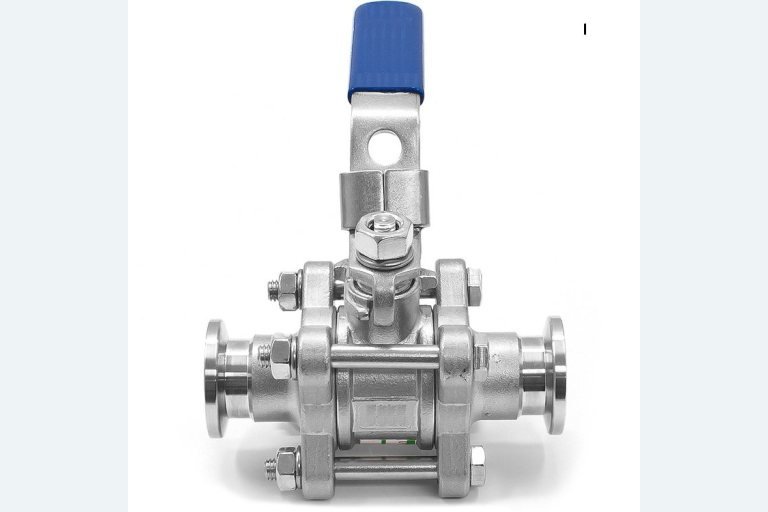
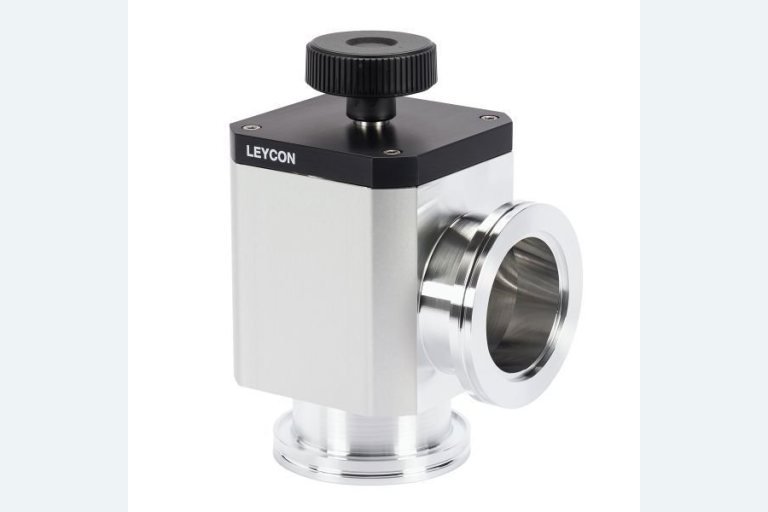
Gate, angle, inline, butterfly and vent-valve forms serve different duties. The correct form depends on pressure range, conductance, space, actuation, sealing and the function required.
A restrictive valve or connection reduces conductance and therefore the effective pumping speed at the chamber. Nominal flange size should be reviewed with the complete line geometry.
There is no universal answer. The safe response to loss of power or air depends on the pump, chamber, process and hazard review, and must be defined in the system control philosophy.
Compare the physical connection and function shown, then confirm the required dimensions, materials and configuration during selection.

APPLICATION REVIEW
Share the operating range, process media, duty, connection and control requirements available to you. Aerocure will review the request before confirming a suitable next step.
TECHNICAL ENQUIRY
Share the equipment identity, operating conditions, connection details and required result. Include what is known so the next step can be reviewed.
Call +91 74119 78886