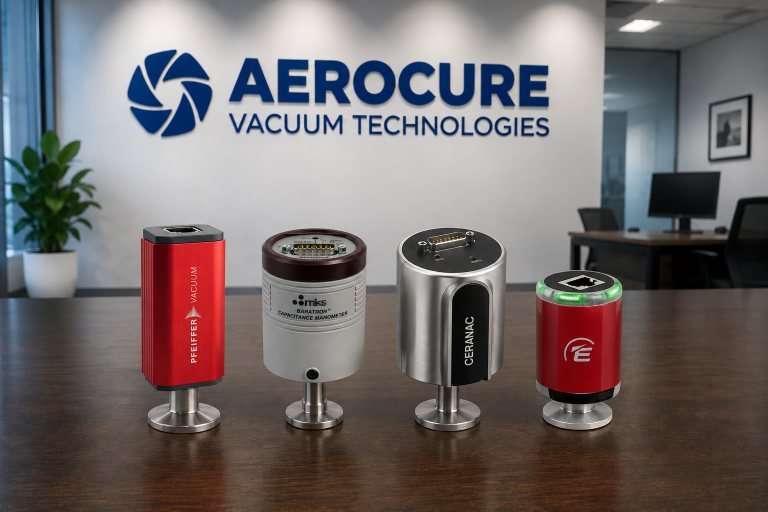
Vacuum Measurement & Monitoring
Select gauges, sensors and controllers for monitoring vacuum conditions.
Explore Vacuum Measurement
APPLICATION-LED VACUUM SOLUTIONS
Start with your engineering requirement and explore relevant vacuum products, testing services and technical support.
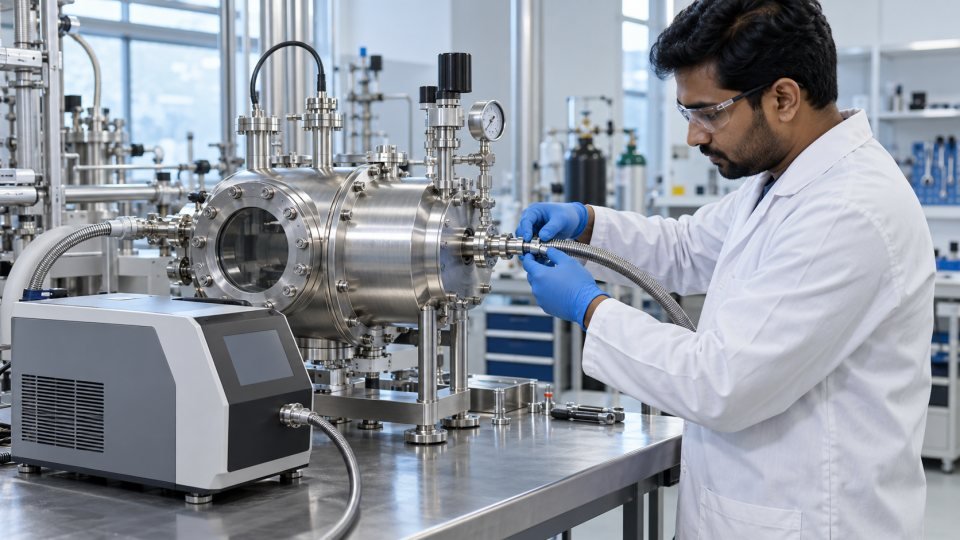
Choose the engineering task that best matches your system, component or equipment requirement.
Select gauges, sensors and controllers for monitoring vacuum conditions.
Explore Vacuum Measurement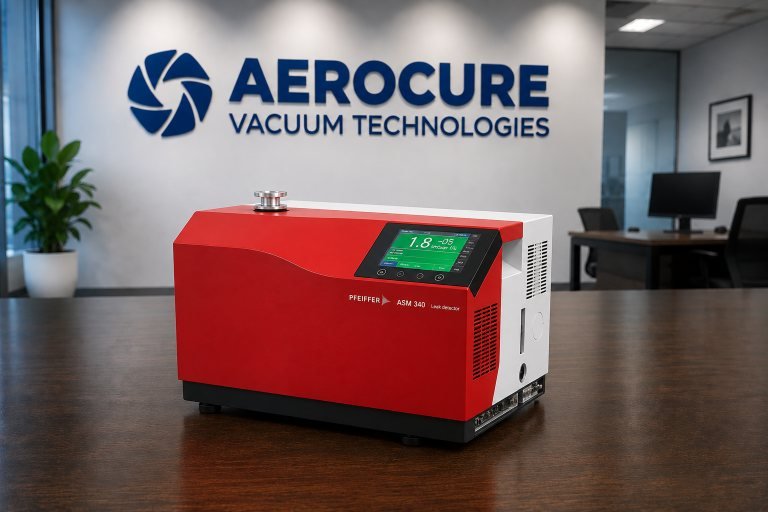
Investigate leakage in components, assemblies and connected systems.
Explore Leak Detection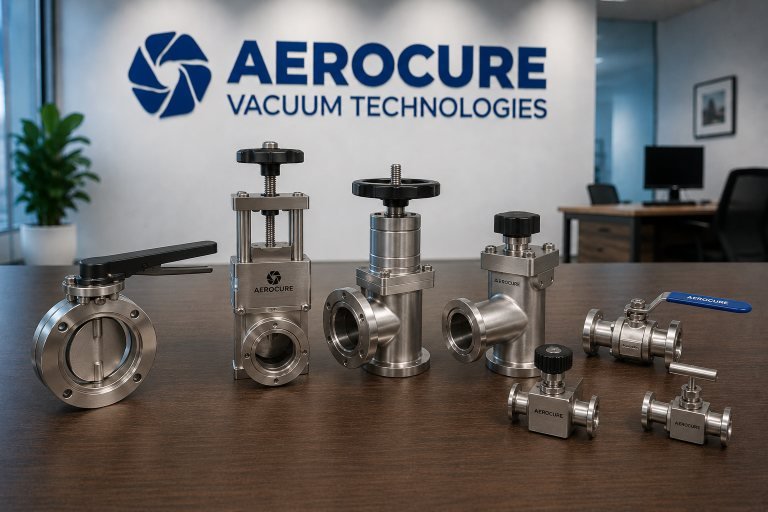
Review valves for isolation, venting and control of a vacuum system.
Explore Vacuum Flow Control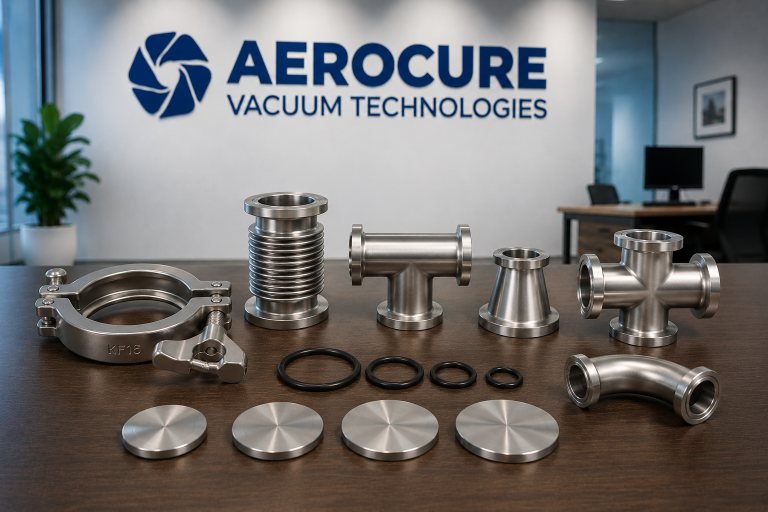
Connect pumps, gauges, chambers and valves with compatible hardware.
Explore Vacuum ConnectionsPlan a reviewed measurement comparison and documentation scope.
Explore Gauge Calibration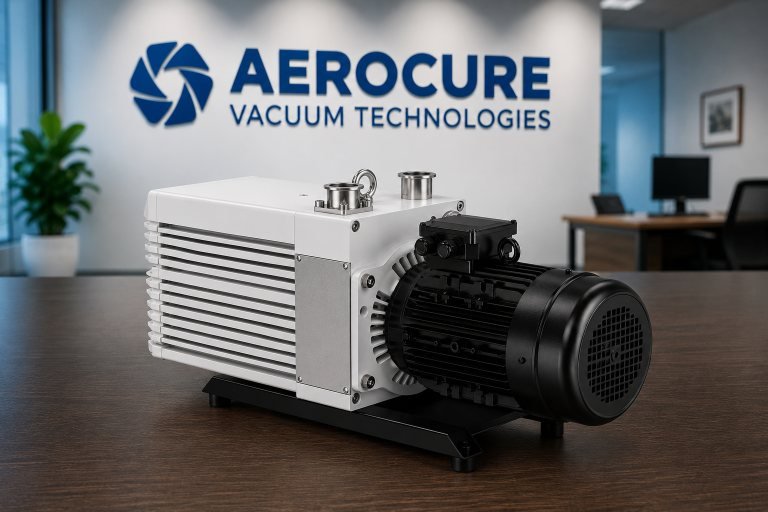
Request assessment, repair or maintenance guidance for identified equipment.
Explore Equipment Support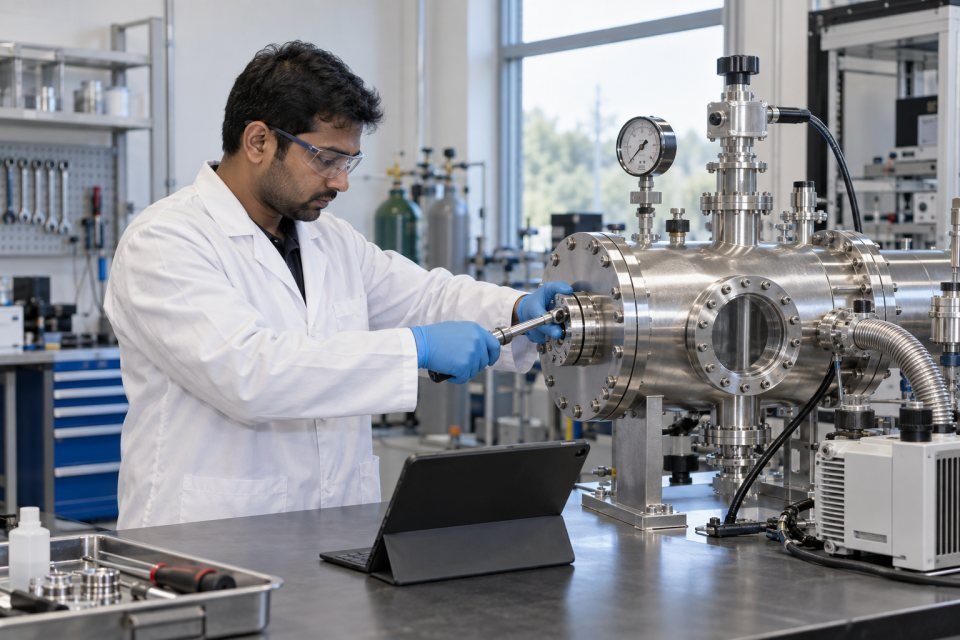
Describe the application, component or system and the result you need.
Include process conditions, interfaces and installation constraints.
The information is reviewed against equipment and method requirements.
Confirm the proposed configuration or service scope for your requirement.
Consider these key areas when sharing your requirement.
Measurement, testing, control, integration or maintenance.
Required pressure range and relevant operating conditions.
Connections, flange families, mounting and controls.
Relevant models, drawings and system configuration.
Equipment condition, process exposure and preparation needs.
Possible technical contexts for measurement, testing, integration and maintenance.
Pressure measurement and controlled vacuum experiments.
Plan Measurement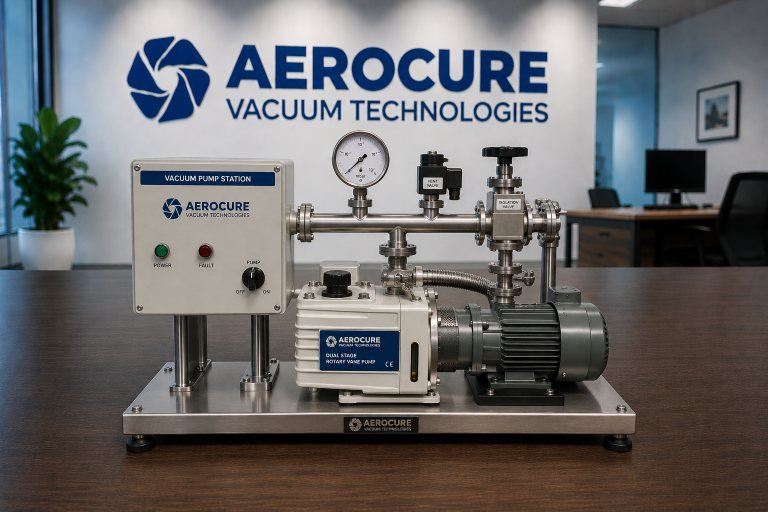
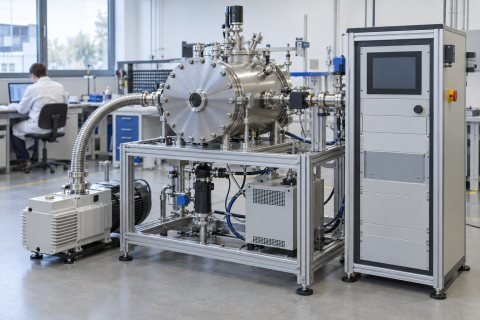
Connections, isolation, pumping and equipment integration.
Review System ControlMonitoring and control requirements for a defined process.
Explore Vacuum Generation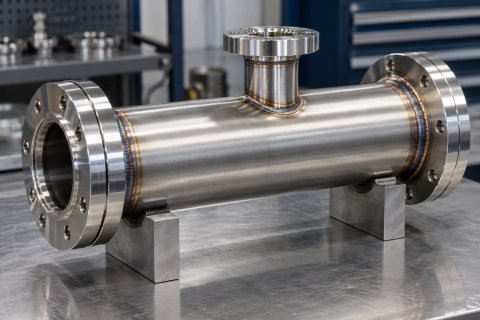
Leak-test planning for accessible components and assemblies.
Plan Leak TestingSuitability depends on the specific operating conditions and should be confirmed before selection.
Use practical guides to prepare a product, calibration or leak-testing enquiry.
Review pressure range, process gas, measurement principle and connection requirements.
Read the Selection Guide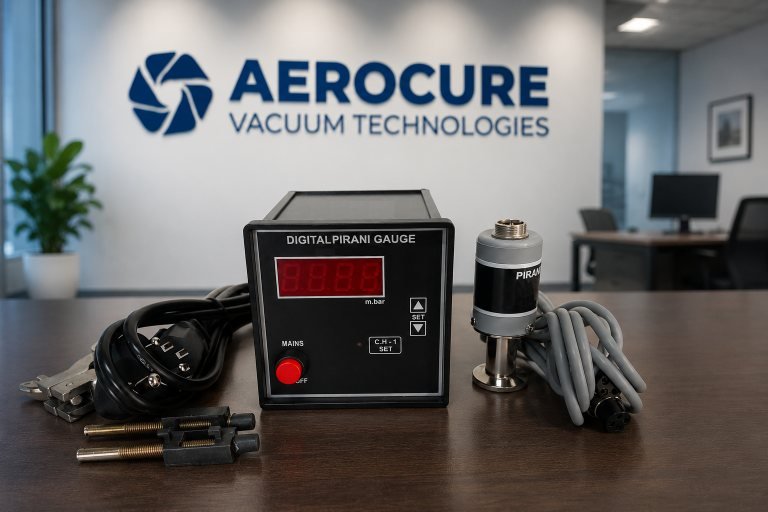
Understand thermal-conductivity measurement and the factors that affect a reading.
Read the Pirani ArticleCollect test-object, pressure, access, cleanliness and acceptance information.
Read the Preparation GuideProvide the pressure range, process gas, temperature, contamination risk, connection and signal or display requirement. Measurement principle and usable range must match the application rather than the product name alone.
The method depends on the test object, pressure direction, access, allowable test conditions and required leakage result. Share those inputs so vacuum/spray, sniffer or an integral arrangement can be reviewed.
Yes. Describe the isolation, venting or control function, flange family and size, gas or media, temperature and sealing requirement. Compatible valves and connecting hardware are reviewed together.
Share the manufacturer, model, gauge or controller type, pressure range, current symptoms, process exposure, service history and required documentation. Compatibility and the scope are confirmed before work is accepted.
Yes. Describe the complete system objective and identify the product selection, testing, calibration or support tasks involved. The enquiry can be reviewed as a connected requirement.
Share the technical requirement and available system or equipment details for an initial review.